Home › ENT conditions › Children’s ENT
Children’s ENT
Children show ear, nose and throat problems differently. Poor hearing can look like inattention or delayed speech. These pages are for parents and carers, and they point out when to seek prompt care.
Choose a topic for symptoms, home care, and warning signs. None of these pages replaces an examination.

ENT Problems in Children
Children can have ear infections, earwax, hearing difficulties, nasal allergy, enlarged adenoids, tonsil problems, or objects lodged in the ear or nose. Early assessment matters wh
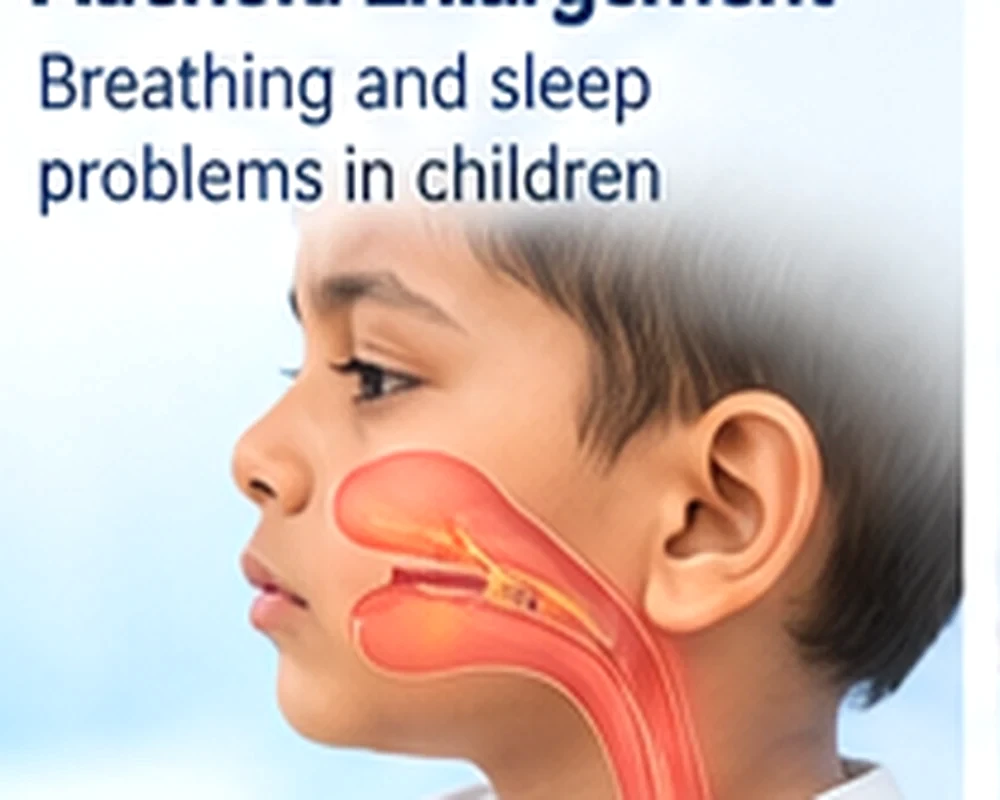
Enlarged Adenoids
Adenoids are lymph tissue behind the nose. When enlarged, they may contribute to nasal obstruction, mouth breathing, snoring or middle-ear fluid.
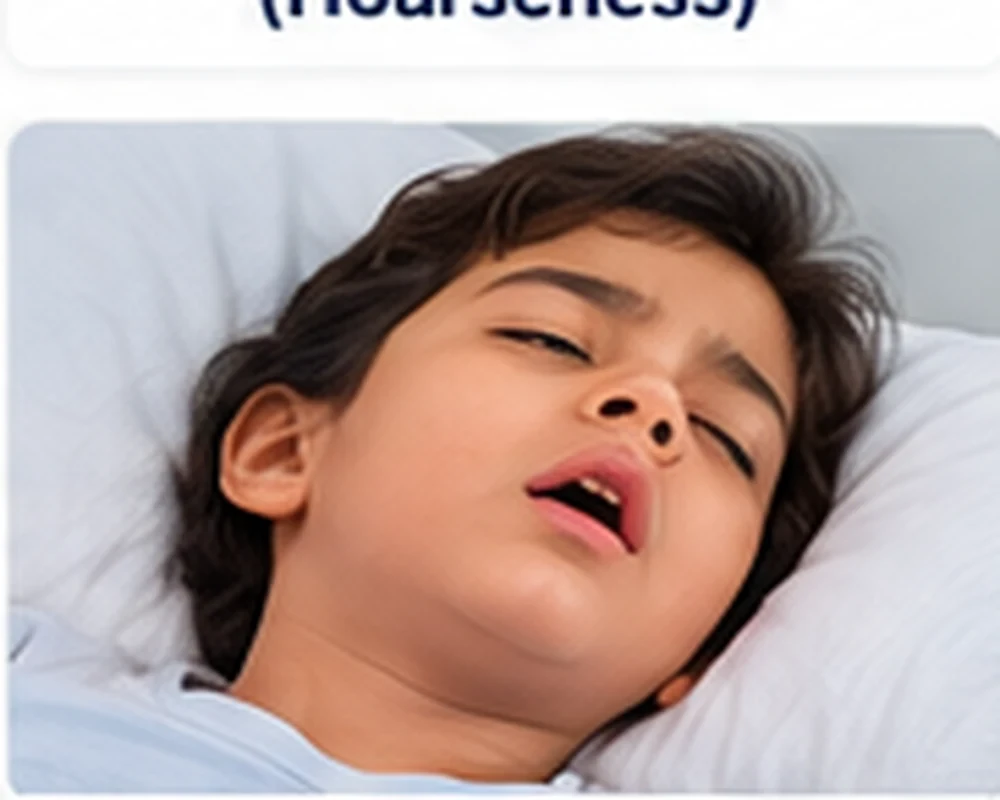
Mouth Breathing
Mouth breathing can occur when nasal airflow is limited. Persistent mouth breathing in a child should be assessed for treatable causes.
Sleep Problems from Enlarged Tonsils or Adenoids in Children
Enlarged tonsils or adenoids can narrow a child’s airway during sleep. Snoring alone does not establish a diagnosis.
Hearing Loss in Children
Hearing supports speech, learning and social development. Arrange hearing assessment if a child does not respond to sound or speech concerns arise.
Recurrent Ear Infections in Children
Repeated ear infections should be reviewed, especially if they affect hearing, sleep, speech or school. Not every earache is infection.

Speech and Language Concerns Related to Hearing
Hearing difficulty can affect speech and language development, but speech delay has many causes. Early assessment clarifies next steps.
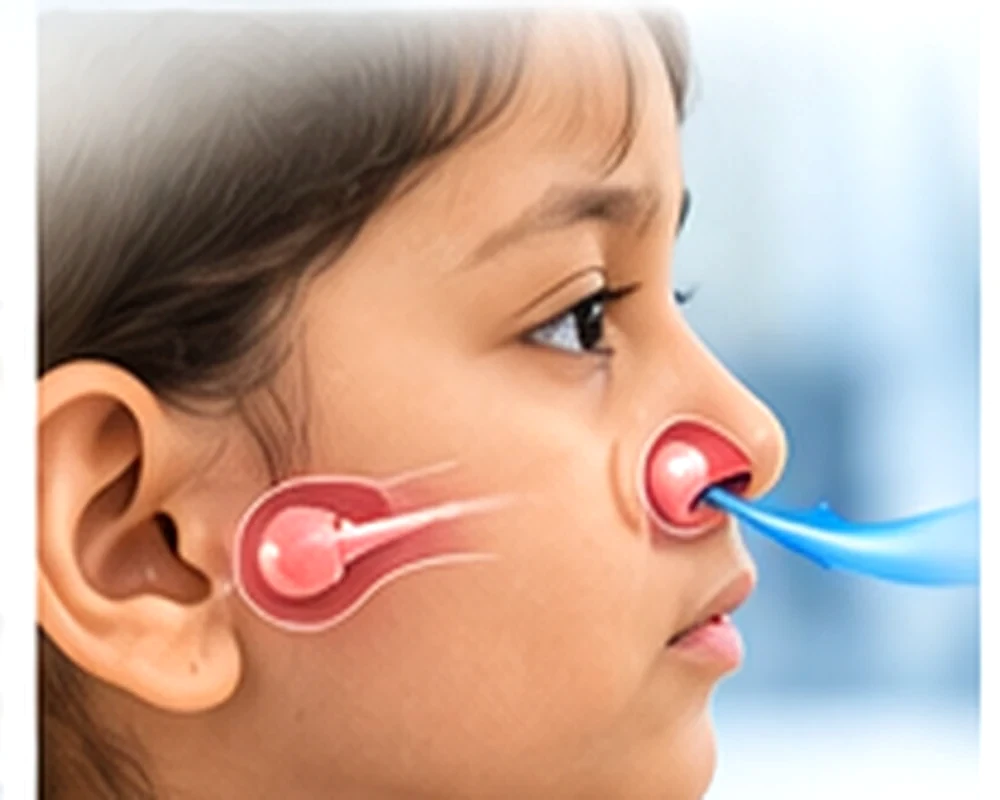
Foreign Body in a Child’s Ear or Nose
Small objects in a child’s ear or nose can cause injury or infection. Button batteries and magnets require emergency care.
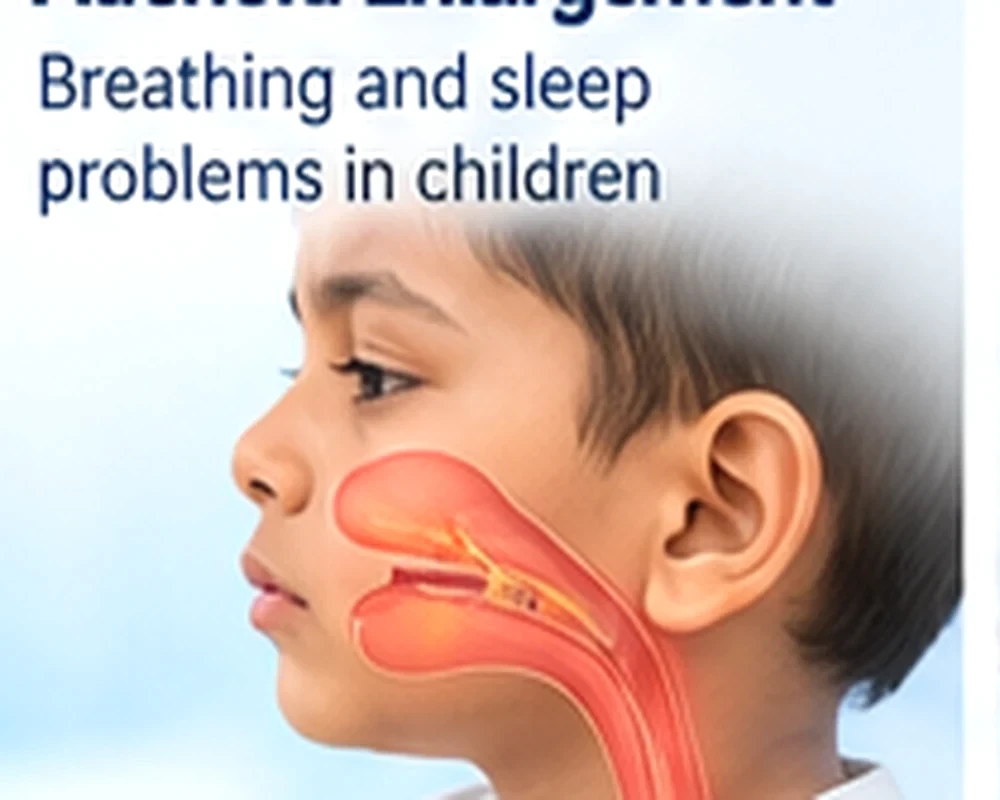
Tonsils and Adenoids in Children
Tonsils and adenoids are immune tissue. When enlarged or repeatedly inflamed, they may affect breathing, sleep, swallowing or ears.