Home › ENT conditions › Nose, allergy and sinus › Sinusitis
Nose, allergy and sinus
Sinusitis
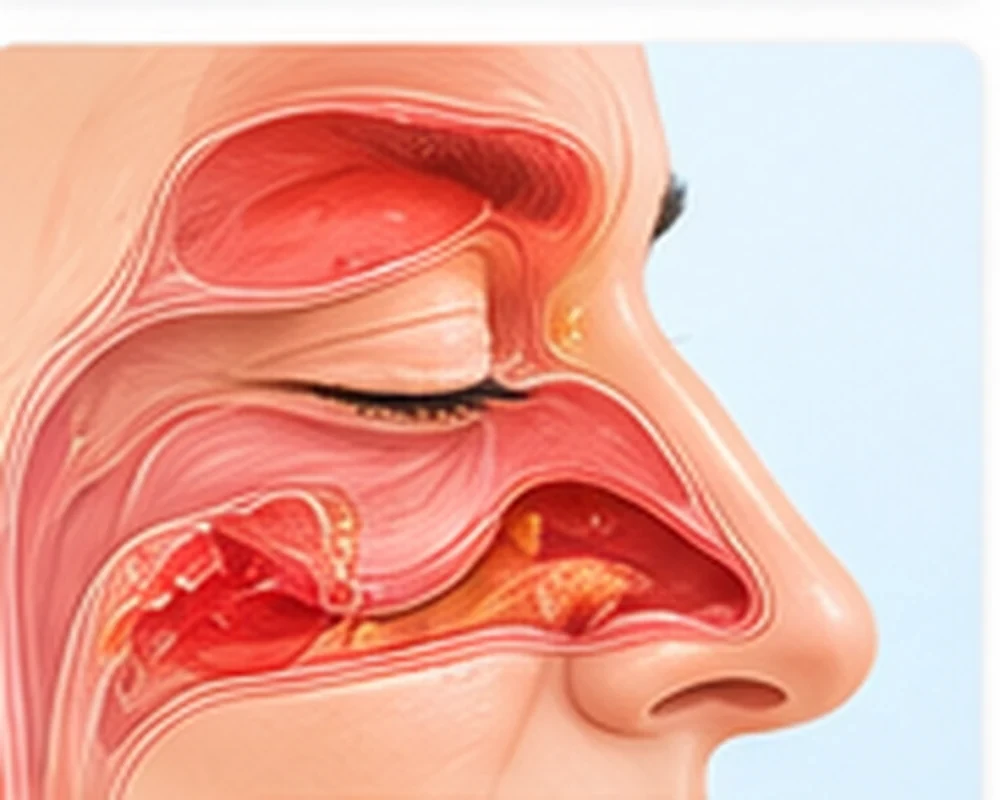
Short answer: Sinusitis is inflammation of the air-filled spaces around the nose. It may follow a cold or occur alongside allergies. Symptoms can include nasal blockage, discharge, facial pressure, reduced smell, or cough; symptoms alone do not tell whether antibiotics are needed.
What is this?
Sinusitis is inflammation of the air-filled spaces around the nose. It may follow a cold or occur alongside allergies. Symptoms can include nasal blockage, discharge, facial pressure, reduced smell, or cough; symptoms alone do not tell whether antibiotics are needed. People often look this up because conversation, sleep, school, work or breathing has become harder. The lists on this page describe patterns. They are not a checklist that proves a cause. A similar complaint can come from more than one place, which is why an examination matters. The clinician may examine the nose and review symptom duration and severity. Imaging or endoscopy is used only when indicated; treatment may involve symptom care and, in selected cases, prescription treatment or specialist procedures. If you are travelling from elsewhere in Bihar, from Jharkhand, eastern Uttar Pradesh, or from Nepal for a planned visit, confirm the day’s clinic by phone or WhatsApp before you start. Sudden or dangerous symptoms should be handled by a local emergency service, not by a message to the clinic.
This page cannot tell you which medicine to take, what dose to use, or whether an operation is required. It does not replace examination by a qualified clinician. Symptoms alone cannot confirm a diagnosis.
Common symptoms
- Blocked nose or nasal discharge
- Pressure or pain around the cheeks, eyes, or forehead
- Reduced sense of smell
- Mucus draining into the throat or cough
- Bad breath or headache in some people
Possible causes
These are possibilities clinicians consider. Having one of them does not prove it is the cause.
- Viral respiratory infection such as a cold
- Allergic rhinitis or other nasal inflammation
- Less commonly, bacterial infection or structural blockage
Practical care
- Rest, fluids, and a warm compress may ease discomfort.
- Avoid smoking and second-hand smoke.
- For nasal irrigation, use only sterile/distilled water or water boiled and cooled.
- Do not start antibiotics on your own; many sinus infections improve without them.
- If nasal rinsing has been advised, use sterile or distilled water, or water that was boiled and then cooled. Never use untreated tap water in the nose.
When to arrange an ENT visit
- Arrange a visit if symptoms persist without improvement, repeatedly return, are severe, or affect smell/breathing. The clinician may examine the nose and decide whether further tests are needed.
Seek urgent care for these signs
- Urgent care is needed for swelling/redness around the eye, vision changes, severe headache with fever, confusion, or rapidly worsening illness.
Call Pal ENT Clinic for these signs. If you cannot reach the clinic, go to a nearby hospital. Do not wait for a WhatsApp reply.
What may happen at the clinic
The clinician may examine the nose and review symptom duration and severity. Imaging or endoscopy is used only when indicated; treatment may involve symptom care and, in selected cases, prescription treatment or specialist procedures.
Questions worth asking
- What are the likely explanations in my case, and what would make you think otherwise?
- Is a hearing test, endoscopy or scan needed now, or only if the examination suggests it?
- What can I safely do at home, and which warning signs mean I should seek emergency care?
Questions patients ask
Do sinus infections always need antibiotics?
No. Many are viral or improve without antibiotics; a clinician assesses the pattern and severity.
Can allergies cause sinus symptoms?
Yes. Nasal allergy can cause blockage and may coexist with sinusitis.
Do I need an antibiotic?
Not automatically. Many ear, nose and throat infections settle without antibiotics. A clinician decides after examining you. This website does not recommend doses.
Can I send reports on WhatsApp?
Send your name and the type of enquiry only. Do not send symptom details, photographs of reports, or medical records on WhatsApp unless the clinic has agreed a secure method. The website does not store this form.
Related reading
Sources
This page is general educational information, not a diagnosis or a substitute for examination by a qualified clinician. Symptoms can have several causes. Seek emergency care for urgent warning signs.
To arrange an in-person assessment, contact Pal ENT Clinic & Research Centre to ask about appointment availability. Do not use WhatsApp for emergency symptoms.