Home › ENT conditions › Ear and hearing › Tinnitus (Ringing in the Ears)
Ear and hearing
Tinnitus (Ringing in the Ears)
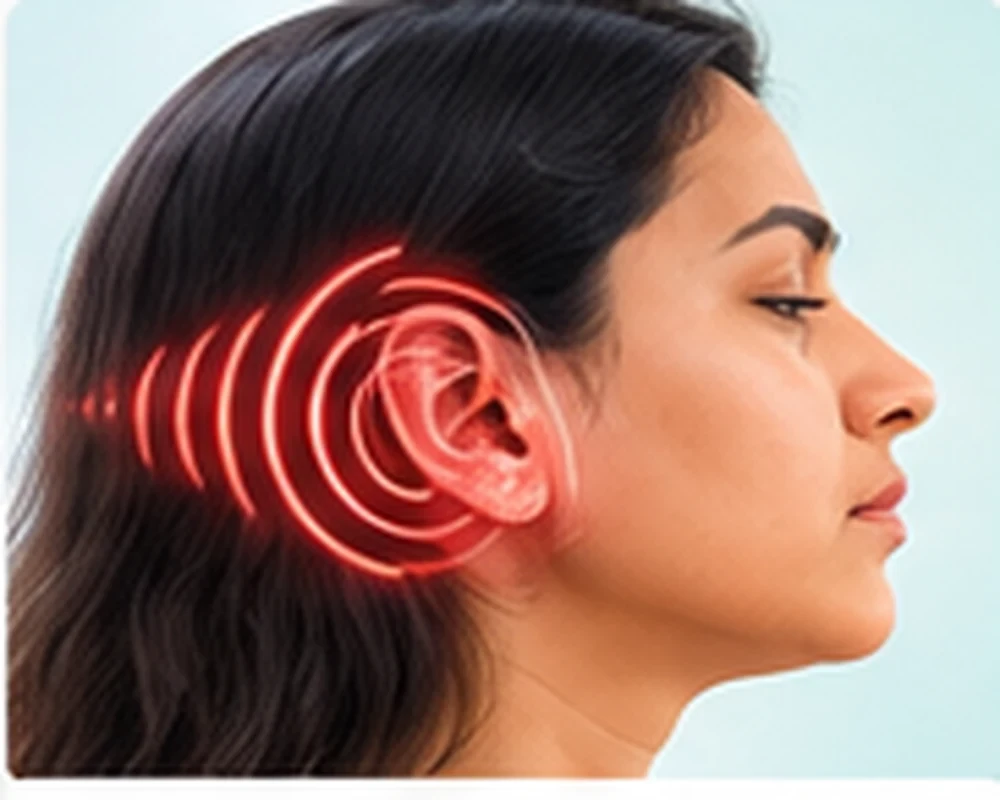
Short answer: Tinnitus is hearing ringing, buzzing, hissing, or another sound when no matching outside sound is present. It may be temporary or persistent and can be associated with hearing changes, noise exposure, wax, or other conditions. It is a symptom, not a diagnosis by itself.
What is this?
Tinnitus is hearing ringing, buzzing, hissing, or another sound when no matching outside sound is present. It may be temporary or persistent and can be associated with hearing changes, noise exposure, wax, or other conditions. It is a symptom, not a diagnosis by itself. People often look this up because conversation, sleep, school, work or breathing has become harder. The lists on this page describe patterns. They are not a checklist that proves a cause. A similar complaint can come from more than one place, which is why an examination matters. Assessment may include an ear examination, hearing test, medicine review, and evaluation of associated symptoms. Management depends on the cause and how much tinnitus affects daily life. If you are travelling from elsewhere in Bihar, from Jharkhand, eastern Uttar Pradesh, or from Nepal for a planned visit, confirm the day’s clinic by phone or WhatsApp before you start. Sudden or dangerous symptoms should be handled by a local emergency service, not by a message to the clinic.
This page cannot tell you which medicine to take, what dose to use, or whether an operation is required. It does not replace examination by a qualified clinician. Symptoms alone cannot confirm a diagnosis.
Common symptoms
- Ringing, buzzing, hissing, or humming
- Sound in one ear, both ears, or perceived inside the head
- Sleep or concentration difficulty when symptoms are intrusive
- Sound that pulses in time with the heartbeat
Possible causes
These are possibilities clinicians consider. Having one of them does not prove it is the cause.
- Noise exposure or hearing loss
- Earwax or ear infection
- Certain medicines or other health conditions
- Jaw/neck problems; sometimes no clear cause is found
Practical care
- Protect hearing from loud sounds and keep headphone volume moderate.
- Keep a regular sleep routine; gentle background sound may make tinnitus less noticeable for some people.
- Do not stop prescribed medicines without speaking to the prescriber.
When to arrange an ENT visit
- Book an assessment if tinnitus persists, is troublesome, affects sleep, or occurs with hearing difficulty. A hearing test may be recommended.
Seek urgent care for these signs
- Sudden tinnitus with sudden hearing loss or severe dizziness needs urgent same-day assessment. New heartbeat-synchronous tinnitus should be assessed promptly.
Call Pal ENT Clinic for these signs. If you cannot reach the clinic, go to a nearby hospital. Do not wait for a WhatsApp reply.
What may happen at the clinic
Assessment may include an ear examination, hearing test, medicine review, and evaluation of associated symptoms. Management depends on the cause and how much tinnitus affects daily life.
Questions worth asking
- What are the likely explanations in my case, and what would make you think otherwise?
- Is a hearing test, endoscopy or scan needed now, or only if the examination suggests it?
- What can I safely do at home, and which warning signs mean I should seek emergency care?
Questions patients ask
Does tinnitus always mean hearing loss?
No, but it is often associated with hearing changes and deserves assessment if persistent.
Is there one cure for tinnitus?
There is no single solution for everyone; management depends on the cause and impact.
Do I need an antibiotic?
Not automatically. Many ear, nose and throat infections settle without antibiotics. A clinician decides after examining you. This website does not recommend doses.
Can I send reports on WhatsApp?
Send your name and the type of enquiry only. Do not send symptom details, photographs of reports, or medical records on WhatsApp unless the clinic has agreed a secure method. The website does not store this form.
Related reading
Sources
This page is general educational information, not a diagnosis or a substitute for examination by a qualified clinician. Symptoms can have several causes. Seek emergency care for urgent warning signs.
To arrange an in-person assessment, contact Pal ENT Clinic & Research Centre to ask about appointment availability. Do not use WhatsApp for emergency symptoms.